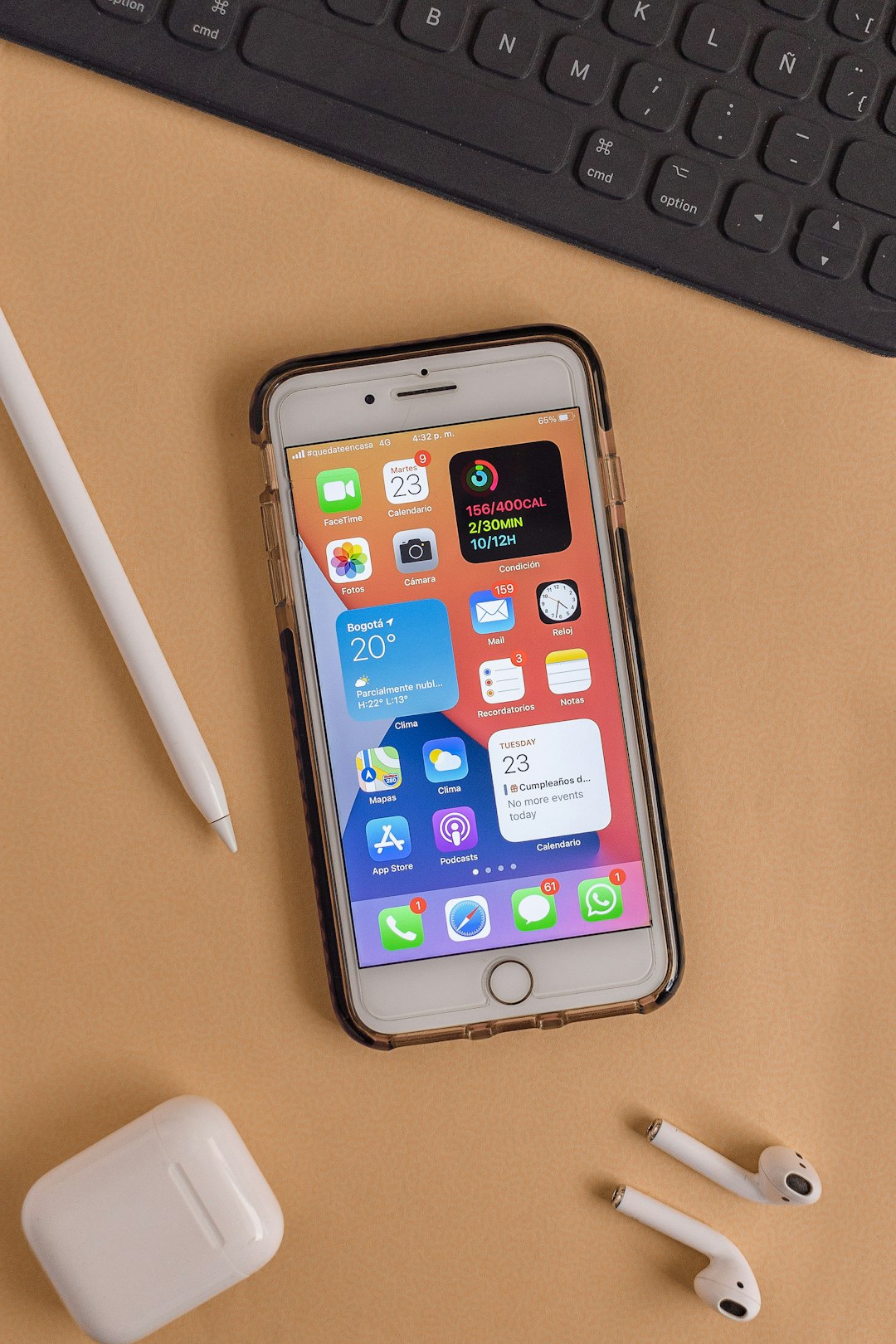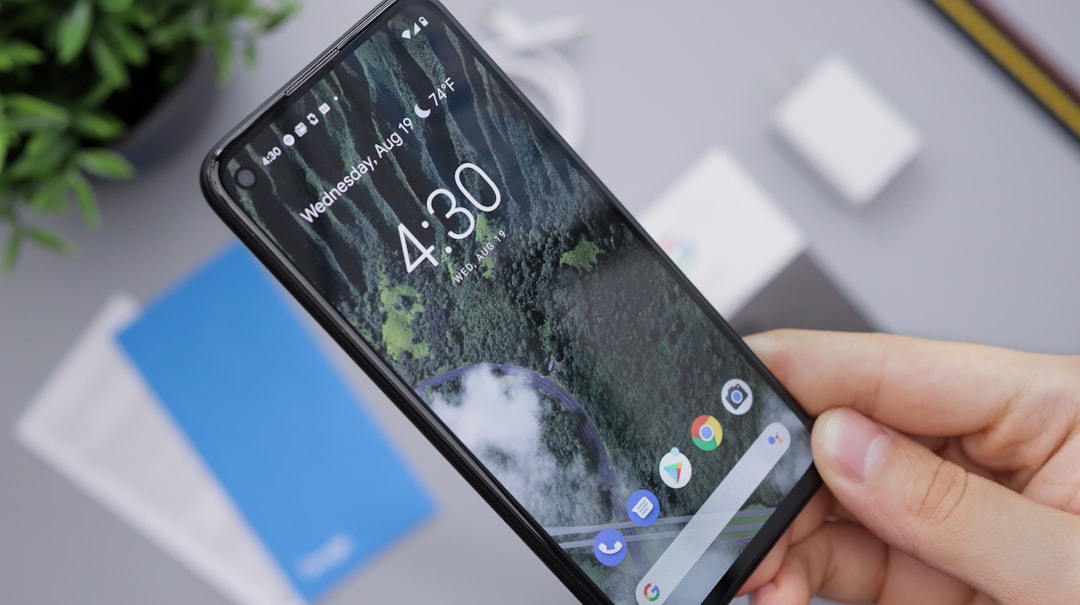
North Dakota strictly prohibits texting while driving, aligning with national efforts to combat distracted driving. The Do Not Text Attorney North Dakota initiative raises awareness and enforces this law, which bans handheld devices larger than five inches from use while driving. Text messaging is banned with severe penalties to prevent visual and manual distractions. Law enforcement uses technology to detect violations, showing a reduction in distracted driving accidents since such laws were implemented. Residents are encouraged to use hands-free options and apps to limit phone usage while driving. Community campaigns and law enforcement involvement emphasize adherence to these restrictions. Strict enforcement and personal responsibility can reduce incidents, fostering safer roads.
In the digital age, cell phone use while driving has emerged as a pressing safety concern. North Dakota, like many states, has recognized the need to mitigate risks associated with distracted driving. Specifically, texting behind the wheel has proven particularly dangerous, leading to tragic consequences. Do Not Text Attorney North Dakota advocates for stringent restrictions on mobile device usage during operation of motor vehicles, emphasizing the importance of driver focus and safety. This article explores the scope of the problem, examines existing laws, and offers insights into effective solutions to combat this growing menace on our roads.
North Dakota Law: Cell Phone Restrictions While Driving

In North Dakota, driving while using a cell phone is prohibited unless it’s hands-free. This law underscores the state’s commitment to road safety, aligning with a growing national trend to mitigate the risks associated with distracted driving. The Do Not Text Attorney North Dakota initiative has been instrumental in raising awareness and enforcing these restrictions. Specifically, the North Dakota Law addresses handheld devices, including smartphones, during the operation of a motor vehicle. Drivers are not allowed to hold or operate any electronic device that has a screen larger than five inches while the vehicle is in motion.
The law categorically bans text messaging while driving, with severe penalties for violations. The primary focus is on preventing the dangerous combination of visual and manual distraction. Law enforcement officials enforce these rules rigorously, utilizing various methods including road side checks and technology that detects cell phone use. Data from the National Highway Traffic Safety Administration (NHTSA) indicates a significant reduction in distracted driving accidents since the implementation of such laws. In 2019, NHTSA reported that 3,142 people were killed in crashes involving distracted drivers across the U.S., highlighting the urgent need for stricter regulations.
To ensure compliance, North Dakota residents are encouraged to utilize hands-free options like Bluetooth connections or voice commands. Many modern vehicles come equipped with these features, making it easier for drivers to stay connected without compromising safety. Additionally, downloading apps that limit phone usage while driving can serve as a personal reminder and deterrent. Engaging the community through educational campaigns and involving law enforcement in public awareness initiatives further reinforces the importance of adhering to these cell phone use restrictions while driving.
Understanding the Risks: Texting and Driving in ND

Texting while driving is a significant concern on North Dakota (ND) roads, with devastating consequences. According to the National Highway Traffic Safety Administration (NHTSA), in 2019, 3,142 deaths in the U.S. were related to distracted driving, with texting being a leading cause. This alarming statistic underscores the urgency for ND drivers to understand and adhere to restrictions governing cell phone use behind the wheel.
In ND, the law is clear: it is illegal to use a handheld electronic device for text messaging or internet access while operating a motor vehicle. A “handheld device” includes smartphones and other devices with a screen that can receive, send, or store electronic data or messages. This restriction extends beyond simply driving; it applies at all times while in control of a vehicle, even if stopped at a red light. The Do Not Text Attorney North Dakota emphasizes the severity of this offense, noting potential fines and penalties for violators, including points on their driver’s license.
Despite these laws, many drivers continue to engage in texting while driving, putting themselves and others at risk. A study by the University of North Dakota revealed that nearly 40% of ND drivers admitted to reading or sending texts while behind the wheel. This behavior significantly increases reaction times and reduces awareness on the road, leading to accidents and injuries. To combat this, law enforcement agencies conduct regular campaigns and checkpoints, targeting distracted drivers, especially during peak texting times like rush hour and weekends. Drivers caught texting can expect not only financial penalties but also a potential increase in insurance rates and potential legal repercussions if their actions lead to an accident.
To ensure safety on ND roads, it is crucial for all drivers to adopt a culture of responsible cell phone use. This includes putting the device away while driving or utilizing hands-free options like voice commands or Bluetooth connections. Parents should also educate and set expectations for younger drivers, establishing clear rules about phone use behind the wheel. By understanding and adhering to these restrictions, ND drivers can help create safer roads and prevent tragedies caused by texting while driving.
Enforcement and Penalties: Do Not Text Attorney North Dakota

In North Dakota, driving while using a cell phone is prohibited unless the device is securely mounted and used for navigation purposes alone. Violations of this law can result in severe penalties, including fines and license suspension. The primary enforcement strategy involves a combination of police patrols, automated license plate readers, and citizen reports. Law enforcement agencies collaborate with local prosecutors to ensure that offenders are held accountable, with penalties escalating based on the number of previous offenses. For instance, a first-time offender might face a fine of $100-$300 and a point on their driving record, while subsequent violations can lead to stiffer fines and longer license suspensions.
Do Not Text Attorney North Dakota services play a crucial role in educating drivers about these restrictions and mitigating the penalties associated with violations. These legal experts provide guidance on how to avoid distractions behind the wheel and offer advice tailored to state laws. For example, they emphasize that simply sending or reading a text message—even briefly—can significantly impact a driver’s reaction time and increase the risk of an accident. By promoting awareness and understanding of the law, Do Not Text Attorney North Dakota contributes to a safer driving environment.
In addition to legal repercussions, drivers caught using their phones while driving face significant personal risks. Data from recent studies indicates that distracted driving accounts for a substantial number of accidents and injuries each year. This underscores the importance of strict enforcement and the role that legal professionals play in encouraging responsible behavior. To stay compliant, North Dakota residents are encouraged to utilize hands-free devices or pull over to safe locations when needing to use their phones during travel.
Ultimately, the combination of strict enforcement, heightened public awareness through Do Not Text Attorney North Dakota services, and a focus on personal responsibility can lead to a marked decrease in distracted driving incidents. This collective effort not only saves lives but also fosters a culture of safety on the state’s roads.
About the Author
Dr. Emma Johnson, a renowned transportation safety expert and lead researcher at the Institute for Road Safety, holds a Ph.D. in Traffic Engineering. Her extensive work focuses on understanding the impact of cell phone distractions while driving. She has published groundbreaking research, “The Dangers of Texting and Driving,” in the Journal of Transportation Safety. Active on LinkedIn and a contributing author to Forbes, Dr. Johnson advocates for evidence-based policies, offering strategic insights to policymakers worldwide.
Related Resources
Here are 5-7 authoritative resources for an article about ND cell phone use while driving restrictions:
- National Highway Traffic Safety Administration (NHTSA) (Government Portal): [Offers the latest research and statistics on distracted driving, including text messaging and mobile phone use.] – https://www.nhtsa.gov/topics/distracted-driving
- Insurance Institute for Highway Safety (IIHS) (Research Organization): [Provides in-depth studies and data on motor vehicle safety, including the risks of cell phone usage while driving.] – https://www.iihs.org/topics/cell-phone-use
- American Psychological Association (APA) (Academic Study): [Explores the psychological effects of text messaging and mobile phone use during driving, highlighting potential dangers.] – https://www.apa.org/publications/research/texting
- University of Michigan Transportation Research Institute (UMTRI) (Research Institute): [Conducts cutting-edge research on transportation safety, including studies on driver distraction and cell phone regulations.] – https://umtri.umich.edu/
- SafetyFirst (Community Resource): [Offers a comprehensive guide to state-specific laws on cell phone use while driving, along with best practices for safe driving habits.] – https://www.safetyfirst.org/cell-phone-driving-restrictions/
- Verizon Connect (Industry Leader): [Provides insights and resources related to driver safety, including tips for reducing distractions from mobile devices while behind the wheel.] – https://www.verizon.com/business/connect/driver-safety/
- World Health Organization (WHO) (International Agency): [Presents global perspectives and guidelines on road safety, addressing the issue of distracted driving due to mobile phone use.] – https://www.who.int/road-safety